Research & History
New York Graffiti History
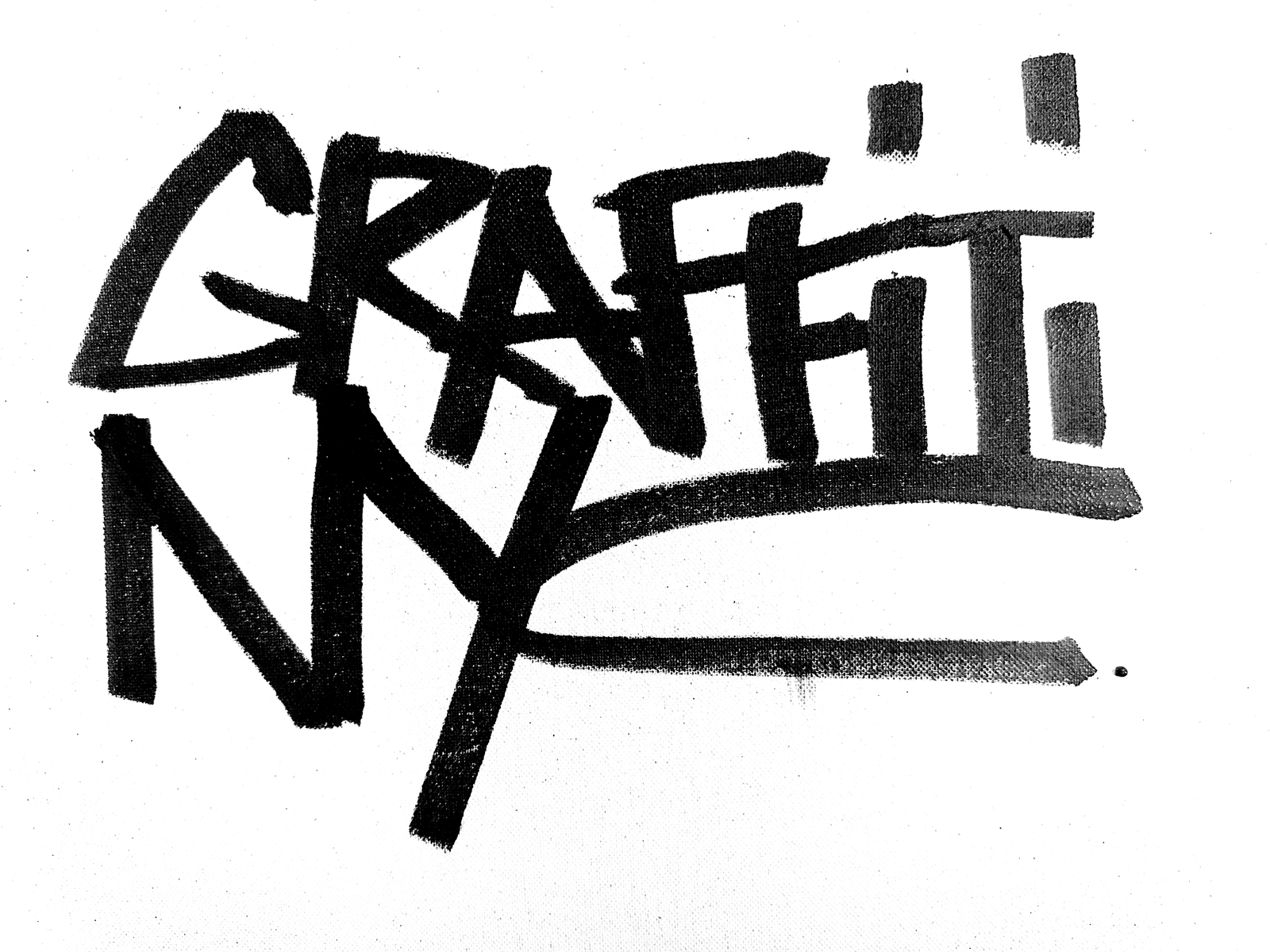
Ongoing investigative work into New York graffiti history, authorship, urban spatial memory, and the social dynamics of street writing across generations. This guide outlines the context behind the material in the Graffiti NYC archive and links to the records where it is described.
Field Notes
The subway-era context
Background. Decades before institutional recognition, New York writers turned transit lines into moving canvases. Investigating that history means looking beyond conventional gallery registries into personal black books, subway-era ephemera, and the natural patina of street-borne material. The research traces the physical record across decades of urban transformation in New York.
This is not a complete timeline. It points to where documented material can be read.
Authorship and the physical record
Documenting urban spatial memory involves preserving untrimmed edges, original spray signatures, and the physical substrate decay that testifies to how works survived on the street before entering private collections or institutional archives.
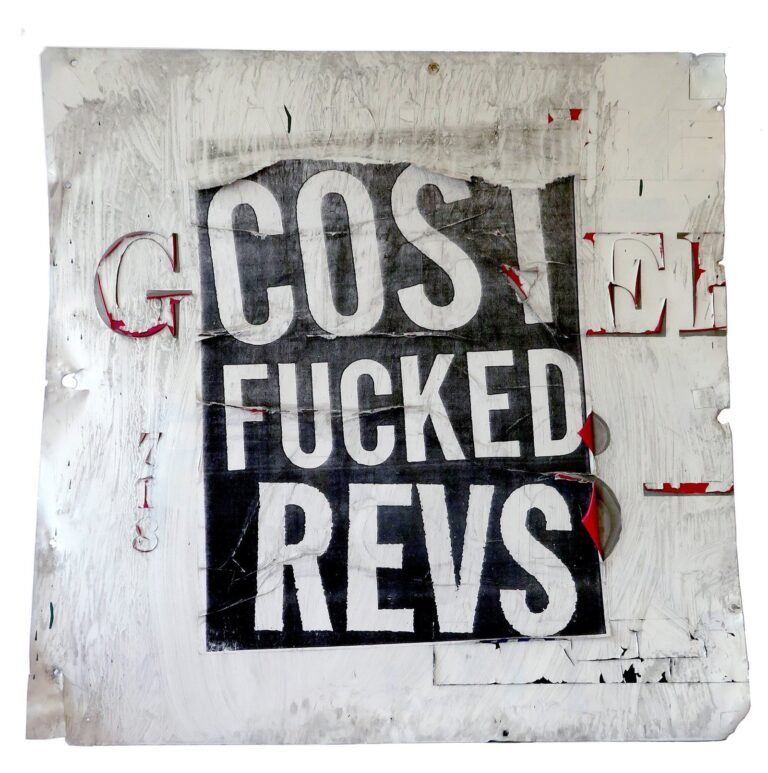
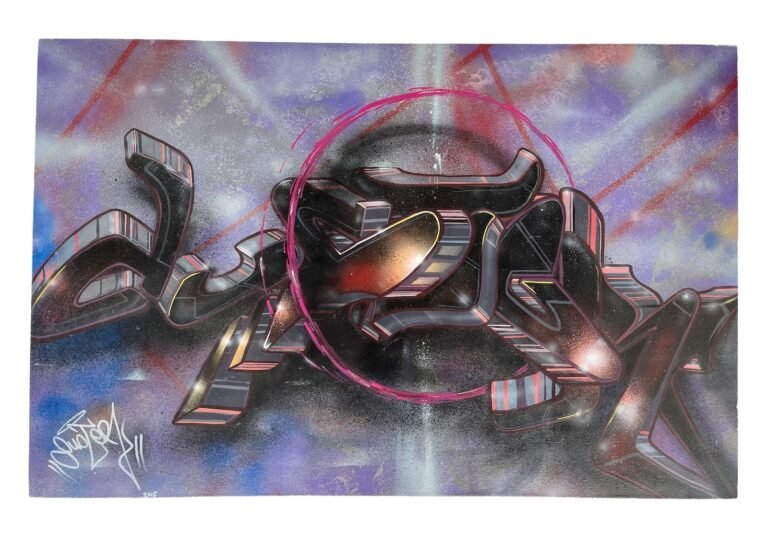
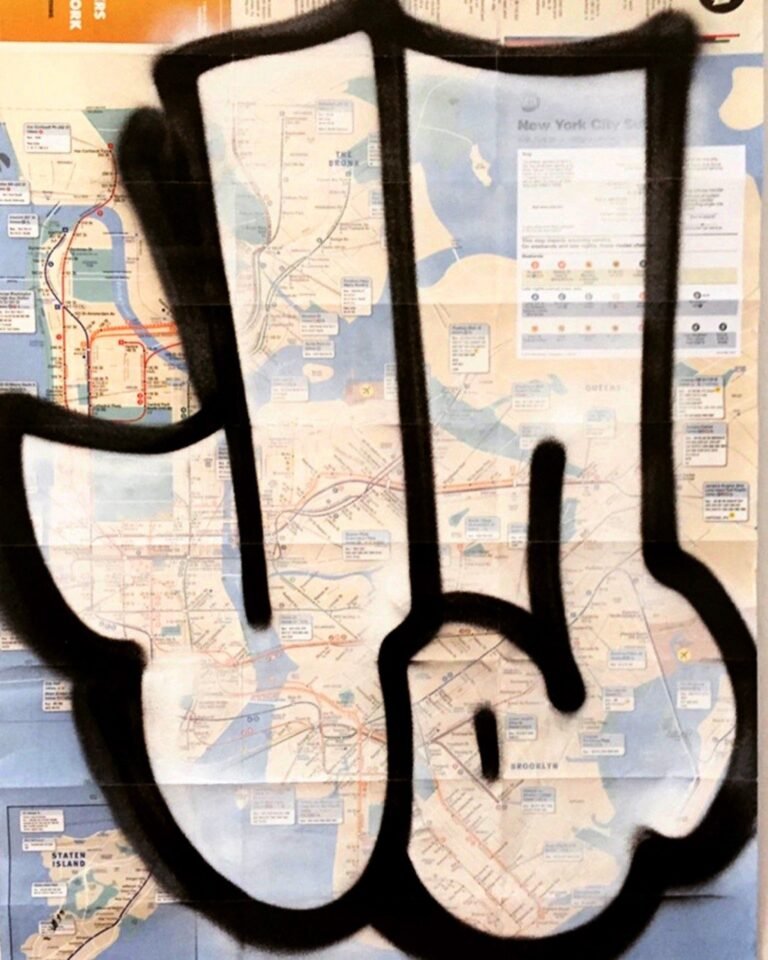
The archive distinguishes an artist profile from an object record. A profile associates a display name and catalogue number with an image; it does not establish a specific work’s title, date, medium, dimensions, attribution, location, legal ownership, or sale availability. Where pictured material is documented separately, it appears as an object record.
Archival Record
Provenance in graffiti rarely lives in gallery registries. It resides in personal archives, black books, and decades of street memory.
Anna Barratt
Writers documented in the archive
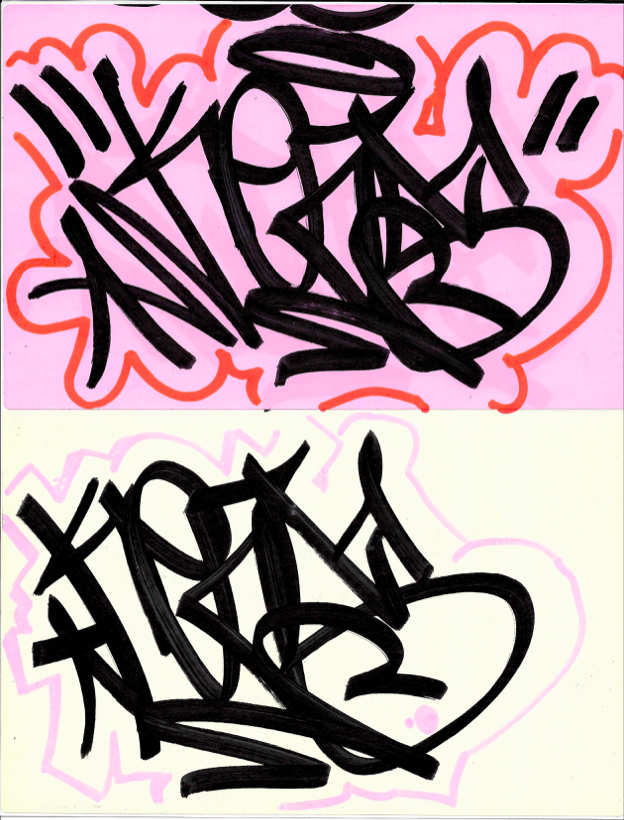
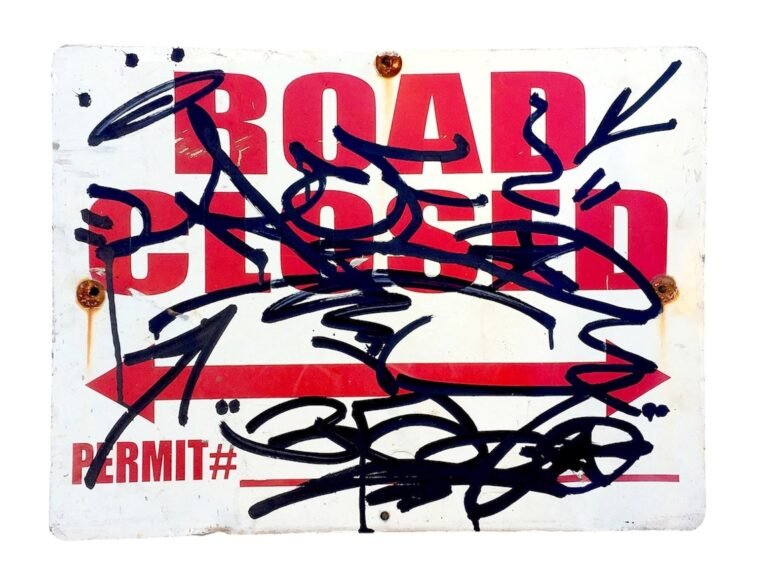
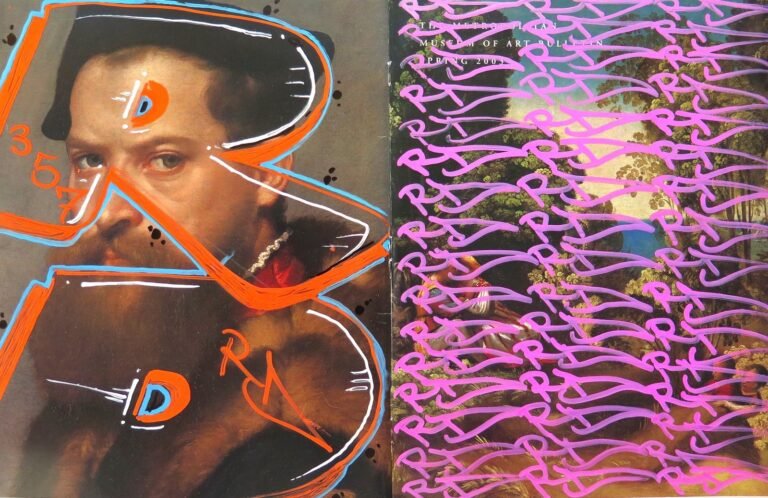
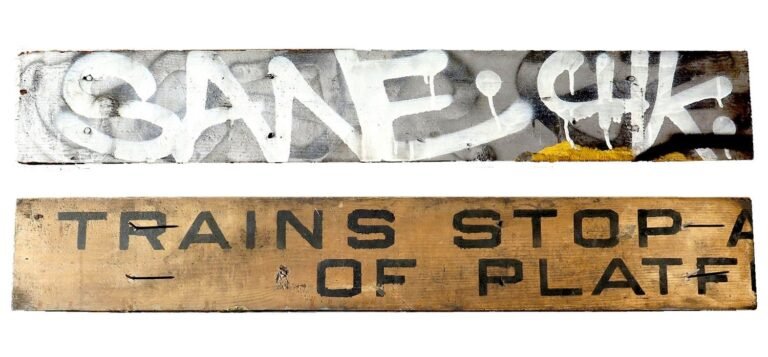
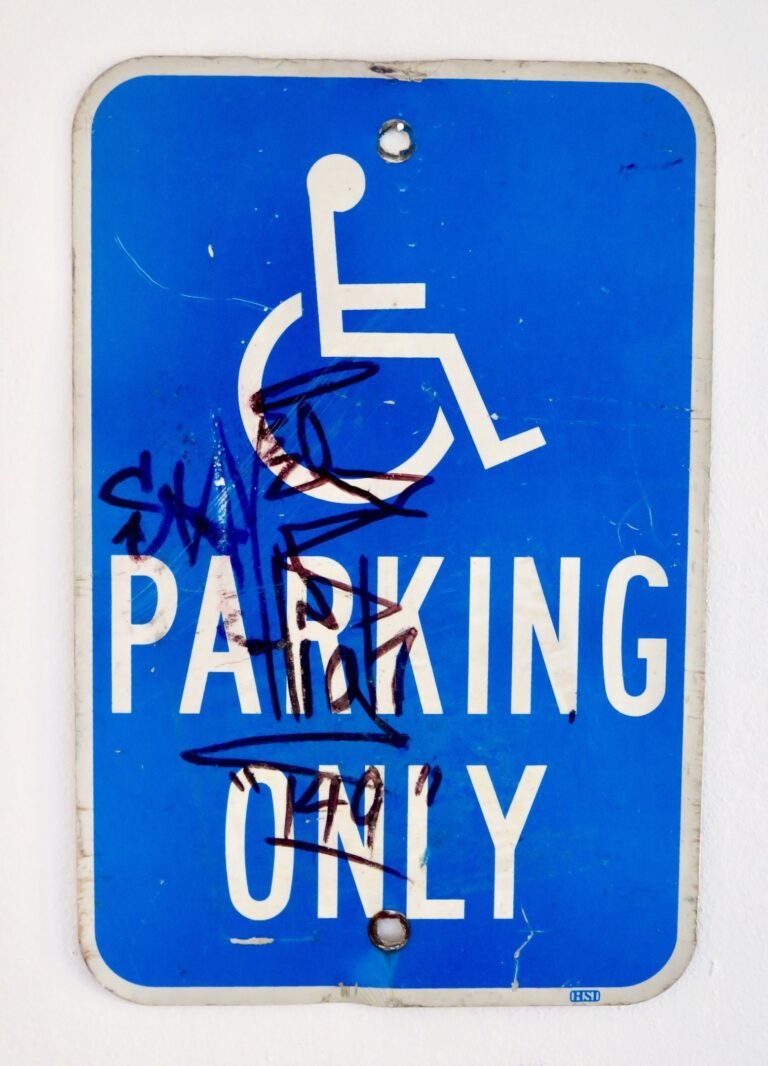
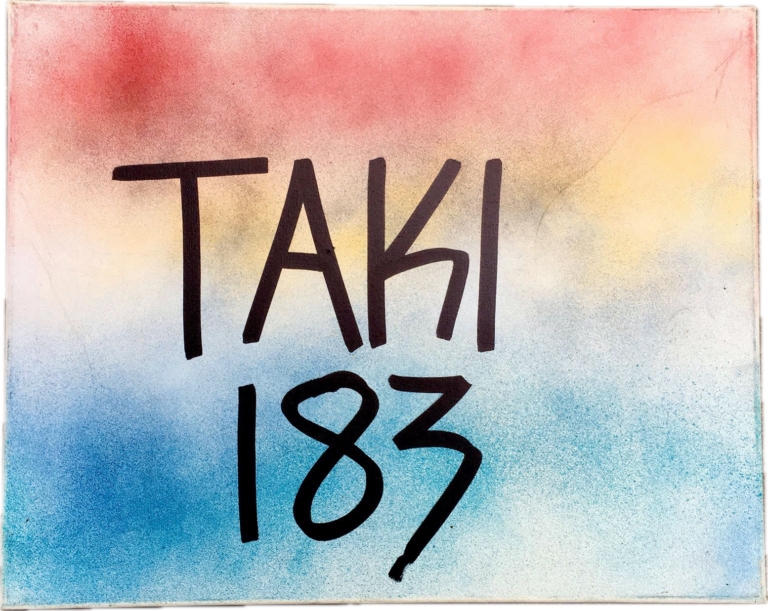
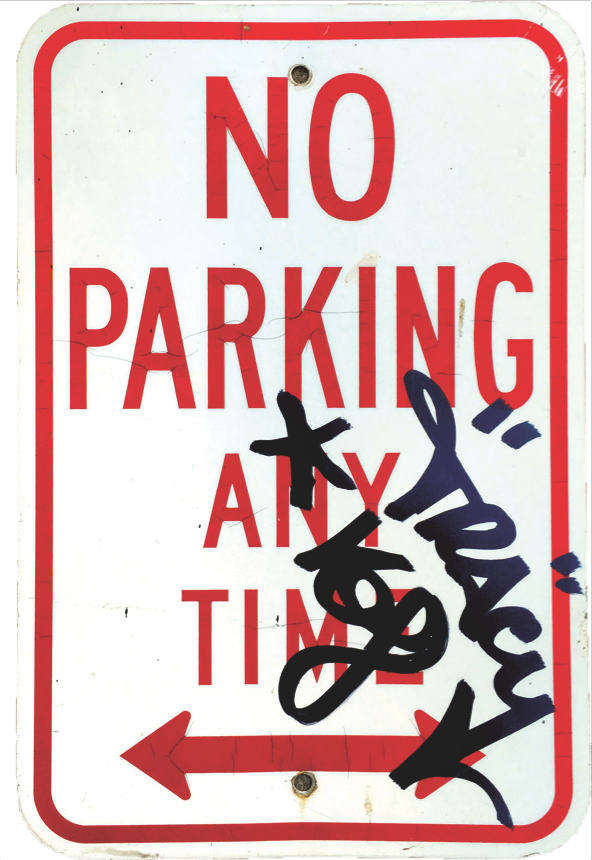
From TAKI 183, STAY HIGH 149 and AL DIAZ in the early 1970s, through TRACY 168’s Wild Style crew, DUSTER’s United Artists, REVOLT of the Rolling Thunder Writers, QUIK and DELTA 2, to the 357 crew, SANESMITH, MQ and the street bombers of the clean-train era, and on to EARSNOT and IRAK in the late 1990s. Each entry carries its own historical context, documentation status and cited source.
Source notes
The general context above is labelled as background and is not attributed to a single source. Specific historical claims, including dates, aliases, and incidents, are recorded on individual artist entries, each with its own documentation status and, where available, a cited source link. Recollections are distinguished from contemporaneous records.
The original website is cited as the source for the archive entries; it is not presented as independent corroboration of the material pictured. For the full framework, read the documentation & provenance policy.
Research collaboration and archival enquiries
Direct dialogue for historians, curators, and academic researchers seeking documentation. Browse the artist index, object records, or private sourcing.